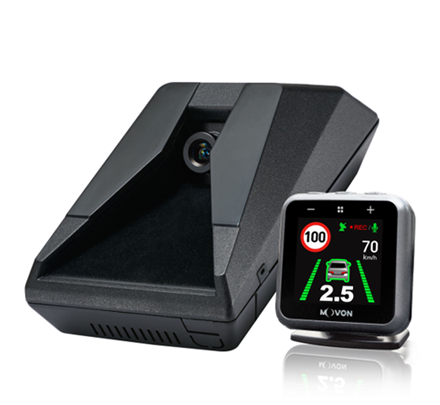
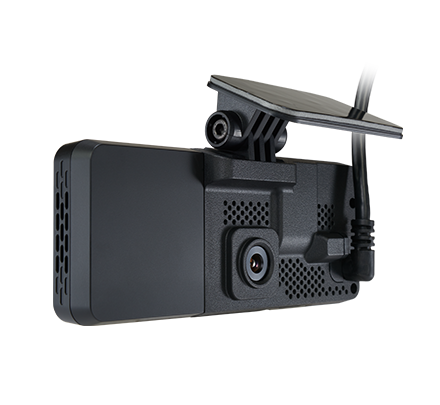
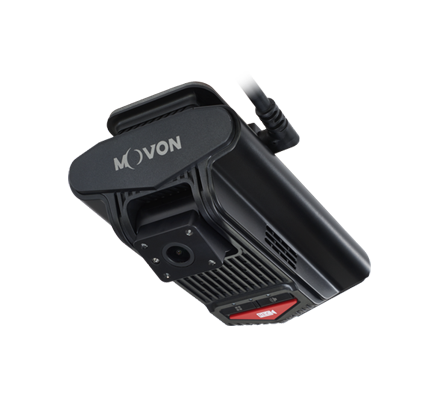
MDAS-9
Vision-Based
Forward Safety
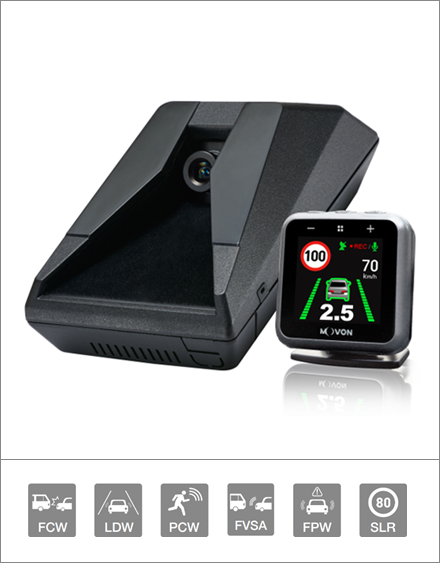

MOVON’s vision and vision-radar fusion safety technologies detect
forward hazards such as vehicles ahead, lane departures, pedestrians,
and two-wheeled road users, helping drivers respond in time.
Lane drift can happen in seconds due to fatigue, distraction, or poor visibility. Forward safety technology helps detect unintended lane departure and warns the driver before the situation becomes critical.
In stop-and-go traffic or at higher speeds, the gap to the vehicle ahead can close faster than expected. Forward safety technology helps identify this risk early and supports faster driver response.
Pedestrians, cyclists, and motorcyclists can appear suddenly in the vehicle’s path, especially in urban environments. Forward safety technology helps detect these road users and alert the driver in time.
Forward safety begins with recognizing what is happening ahead of the vehicle. MOVON’s forward safety technologies are designed to detect key road elements and potential hazards in real time, helping drivers stay aware of changing conditions on the road.
Vision-Based
Forward Safety
Vision-Radar Fusion
Forward Safety
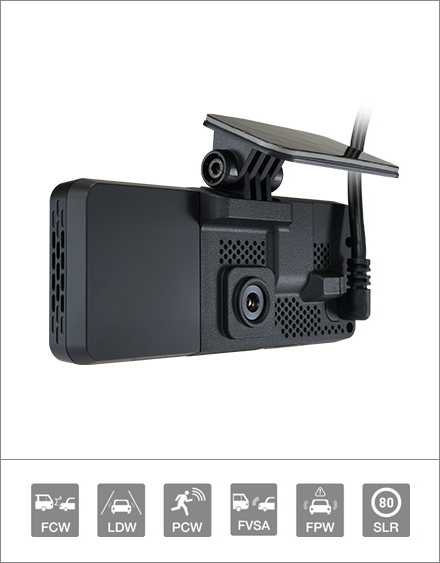
Forward Safety within
Video Telematics
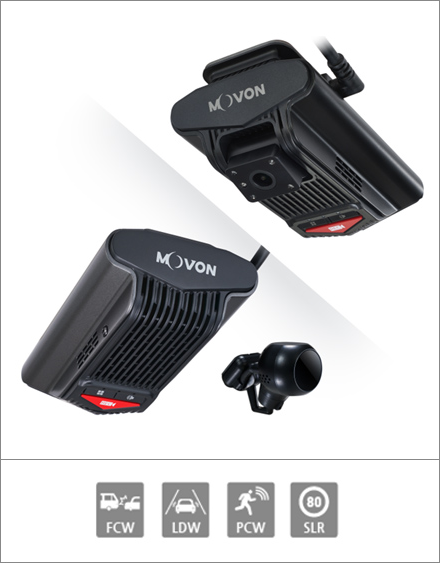
MOVON's Forward Safety technologies combine real-time road awareness with driver warning functions designed to support safer driving in everyday and commercial vehicle environments. Capabilities may vary by product platform and configuration.
Detects unintended lane departure and warns the driver before the vehicle drifts out of lane.
Detects vehicles ahead and alerts the driver when collision risk increases.
Detects pedestrians ahead and warns the driver in critical situations.
Warns the driver when following distance becomes unsafe.
Notifies the driver when the vehicle ahead begins moving.

Recognizes speed limit signs and provides speed guidance.
MOVON's Forward Safety technologies are built across different sensing architectures
matching various vehicle environments, performance needs, and integration requirements.
From vision-based detection to vision-radar fusion and connected telematics platforms,
each approach is designed to deliver earlier awareness and more practical deployment.
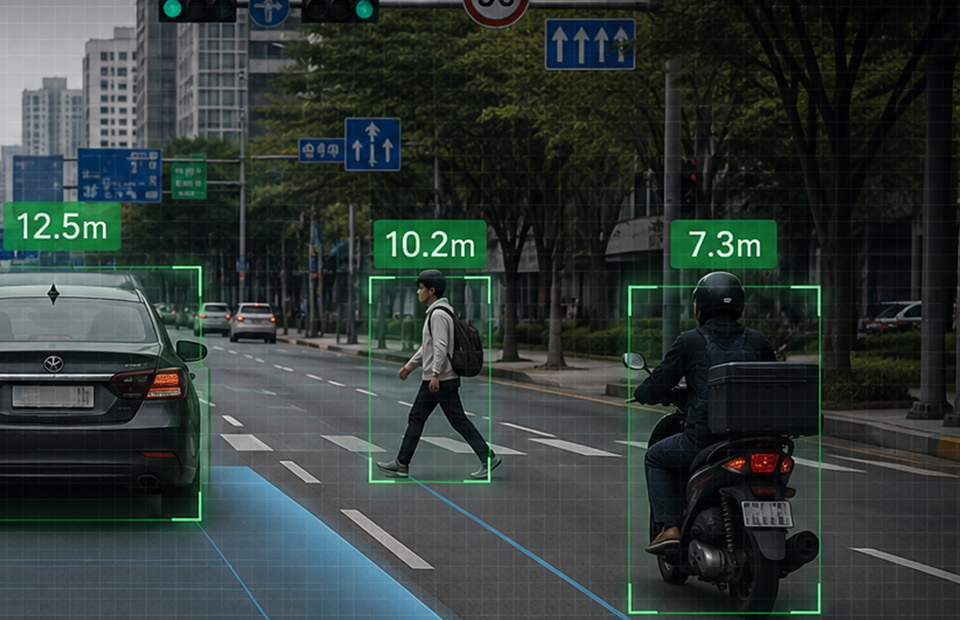
Camera-based forward safety uses MOVON's in-house vision algorithms to detect lane position, vehicles ahead, pedestrians, and key road information in real time.
This architecture is suited to streamlined installation and efficient deployment across a wide range of vehicle types.
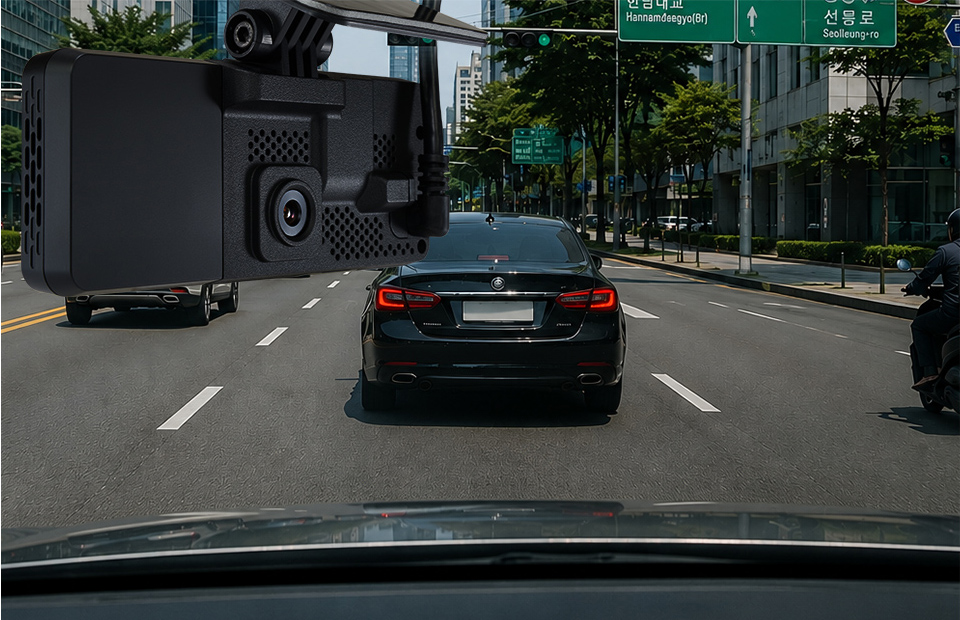
Vision-radar fusion combines camera perception with 77GHz radar sensing to strengthen forward detection in more demanding driving environments.
This architecture is designed to improve awareness of vulnerable road users, support more robust front detection, and extend forward safety performance where sensing confidence matters most.
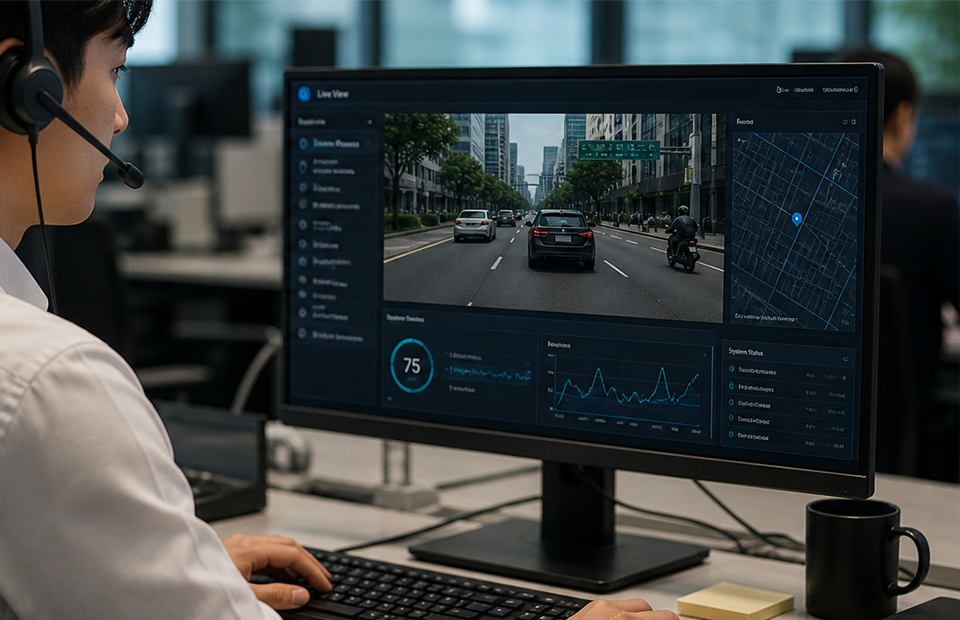
In connected vehicle environments, forward safety can also be integrated into video telematics platforms.
This architecture is designed for fleets that need forward safety together with visibility, connectivity, and operational data.
In-House Facial Detection Technology
In dense city traffic, pedestrians, cyclists, and vehicles can enter the driver’s path with little warning. Forward safety helps detect these changing conditions earlier and supports faster driver response.
At higher speeds, lane drift and closing distance to the vehicle ahead can become critical in seconds. Forward safety helps drivers stay aware of lane position and forward collision risk on the road ahead.
In congested traffic, repeated starts and stops can make it easy to miss changes in the movement of the vehicle ahead.Forward safety helps drivers respond more confidently in slow and interrupted traffic flow.
Rain, fog, and low-light conditions can reduce the driver’s ability to recognize hazards early. Forward safety technologies help maintain awareness when road conditions become more demanding.
For trucks, vans, buses, and other commercial vehicles, forward safety supports earlier hazard recognition in larger vehicle environments where response time and visibility are especially important.
