
☰
MOVON’s blind spot safety technologies use radar-based detection to identify vehicles, pedestrians, cyclists, and other vulnerable road users around the vehicle, helping drivers respond earlier through real-time visual and audible alerts.
Blind spot risk often develops where the driver has the least visibility. Vehicles, cyclists, pedestrians, and other road users can approach from the side or rear with little warning, especially during lane changes, reversing, and low-speed turning. MOVON’s blind spot safety technologies are designed to detect these risks in real time and support earlier driver response through visual and audible alerts.
MOVON’s blind spot safety technologies are built around the SGA lineup, a radar-based safety platform designed for side and rear hazard awareness across different vehicle requirements. From core blind spot detection to parking assistance and expanded BSIS coverage, each configuration is designed for a different level of protection.
VIEW PRODUCTS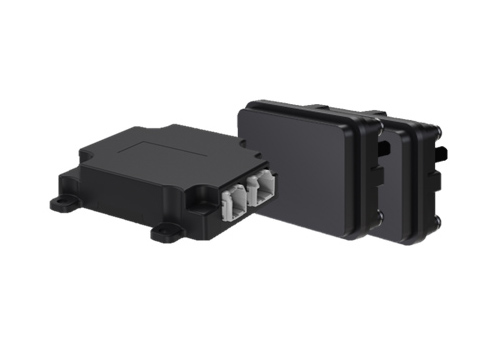
A radar-based blind spot safety configuration built with a control unit and rear radar to support core side and rear hazard detection in everyday vehicle operation.
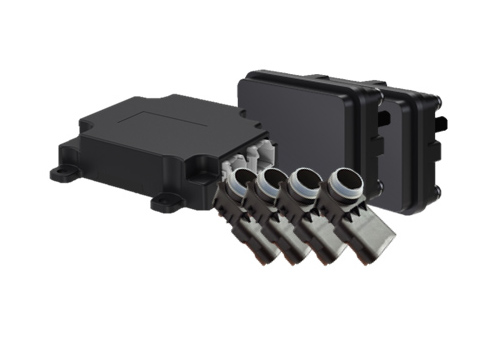
An expanded configuration that combines a control unit, rear radar, and ultrasonic sensor to add parking assist functionality while maintaining core blind spot safety coverage.
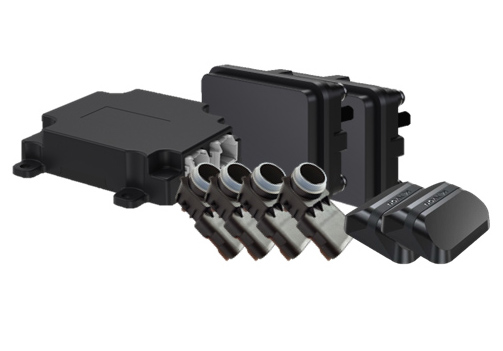
The most advanced configuration in the SGA lineup, combining a control unit, rear radar, ultrasonic sensor, and BSIS radar for broader blind spot protection and vulnerable road user coverage.
MOVON’s blind spot safety technologies are designed to cover the side and rear areas where driver visibility is limited, and where collision risk often develops during lane changes, reversing, turning, and low-speed maneuvers. Coverage may vary by SGA configuration.
Blind Spot Detection
Rear Cross Collision Warning
MOVON’s blind spot safety technologies are built around the SGA lineup, a modular radar-based architecture designed to support different levels of side and rear hazard coverage. Depending on the configuration, the system can combine a control unit, rear radar, ultrasonic sensors, and additional BSIS radar to match different vehicle requirements.
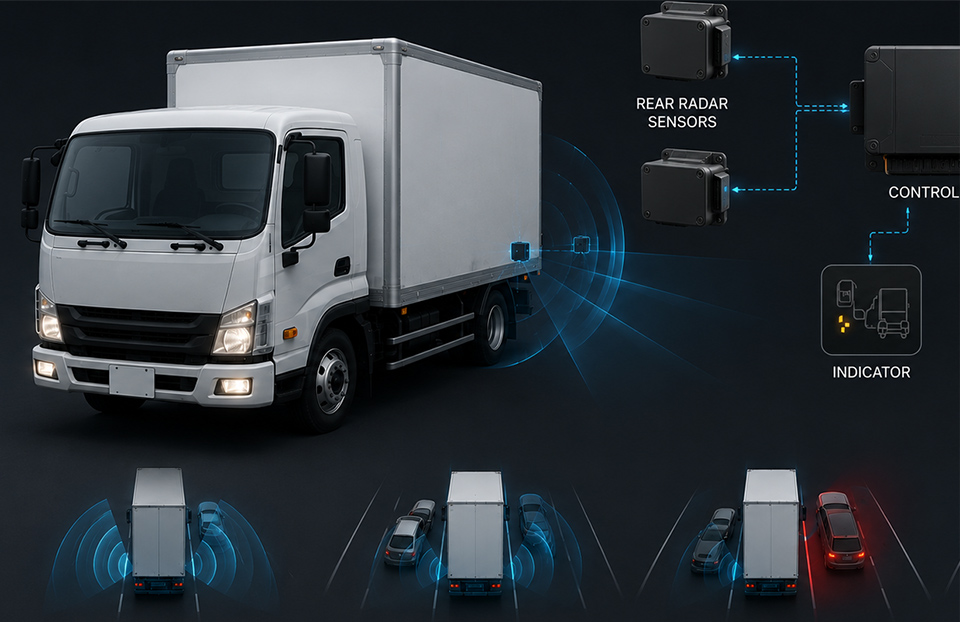
In expanded configurations, ultrasonic sensors are added to support parking assist functions during close-range and low-speed maneuvers. This allows the SGA architecture to extend beyond blind spot warning into near-obstacle awareness.
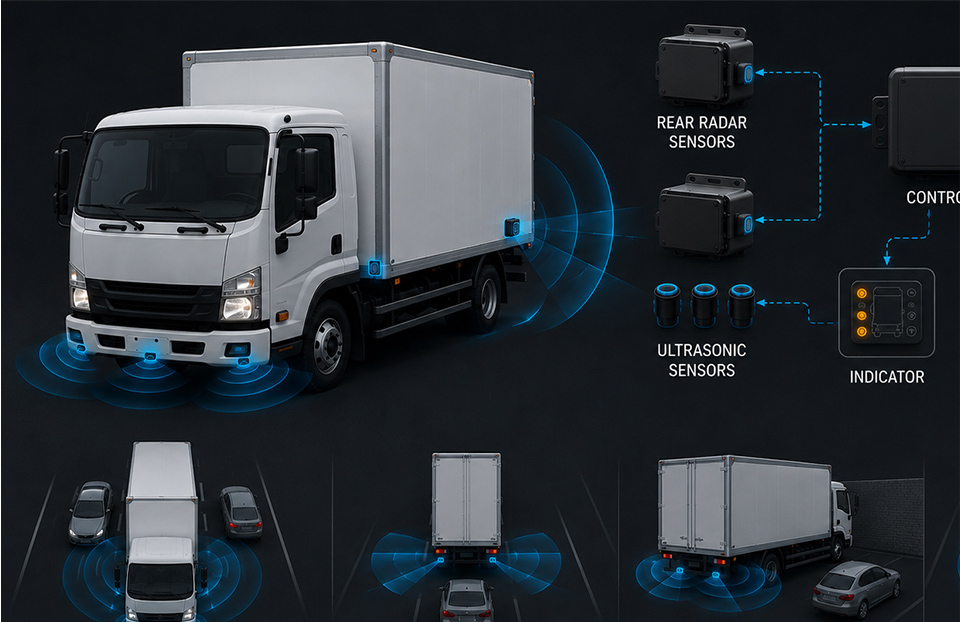
In expanded configurations, ultrasonic sensors are added to support parking assist functions during close-range and low-speed maneuvers. This allows the SGA architecture to extend beyond blind spot warning into near-obstacle awareness.
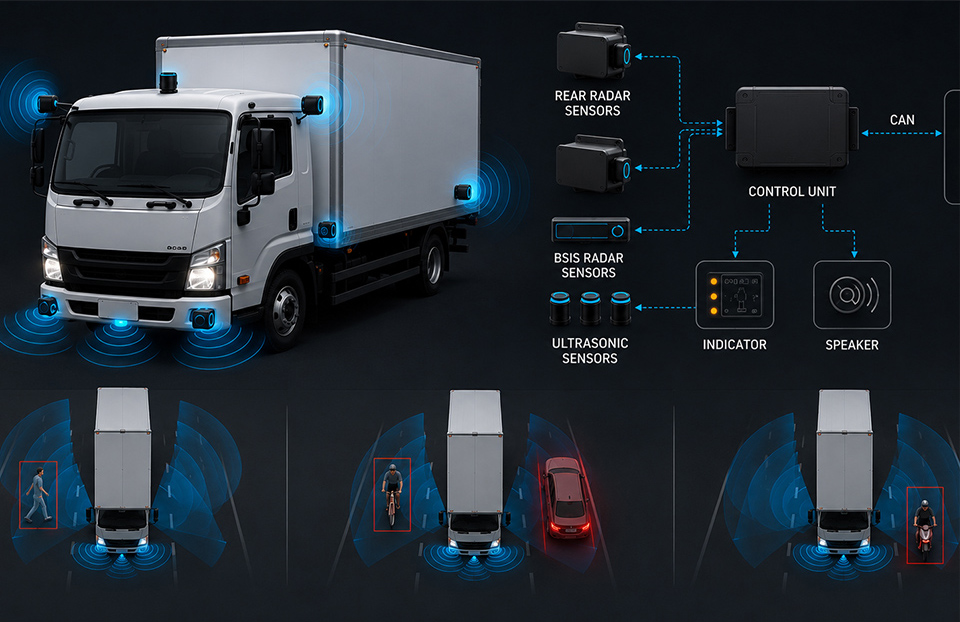
In the most advanced configuration, additional BSIS radar sensors extend coverage for vulnerable road users such as pedestrians and cyclists in side and front-side blind areas. This architecture is designed for broader protection in demanding commercial-vehicle environments.
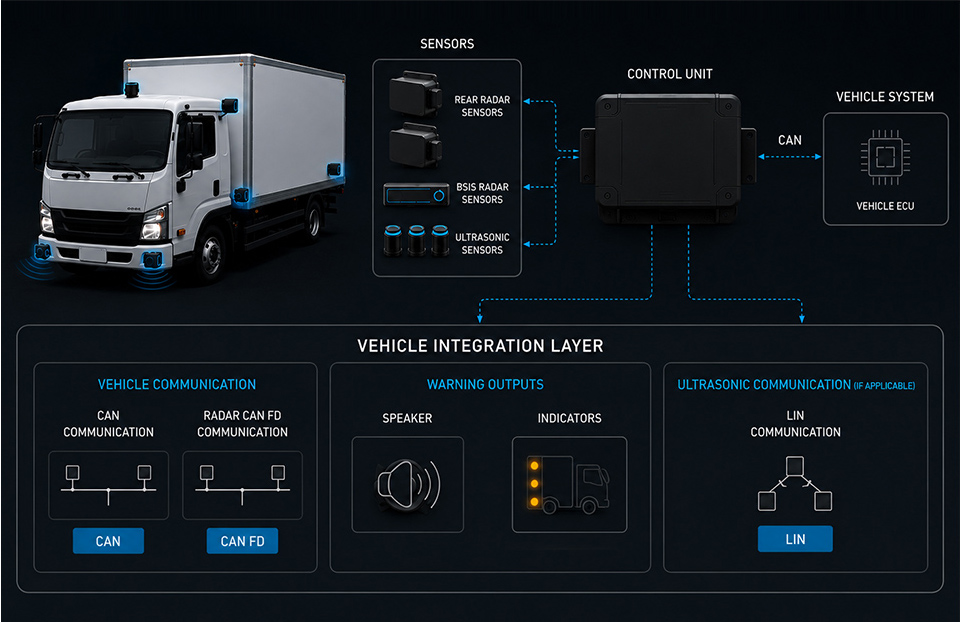
Across the lineup, the system architecture is built for vehicle-side integration through CAN communication, radar-side CAN FD, warning outputs through speaker and indicators, and, where applicable, ultrasonic communication through LIN.
Blind spot safety becomes most important in the moments when side and rear visibility are limited and response time is short. MOVON’s blind spot safety technologies are designed for real driving conditions where vehicles, obstacles, and vulnerable road users can enter hidden areas during lane changes, reversing, turning, and low-speed maneuvers.
Helps detect vehicles in adjacent lanes and blind spots during lane-change maneuvers.
Helps detect rear cross traffic and nearby obstacles while reversing in confined or low-visibility areas.
Supports safer operation during parking and other close-range maneuvers through rear-distance awareness.
Helps detect pedestrians, cyclists, and other vulnerable road users in side and front-side blind areas during turns.
Designed for trucks and other large vehicles where blind areas are wider and radar-based side-rear awareness is especially important.
